In brief: Google reviews are more than a customer satisfaction showcase: they directly impact your ranking in the local pack and purchasing decisions. This article explains the mechanism, shows how to structure healthy review collection, and how to manage negative reviews without losing visibility.
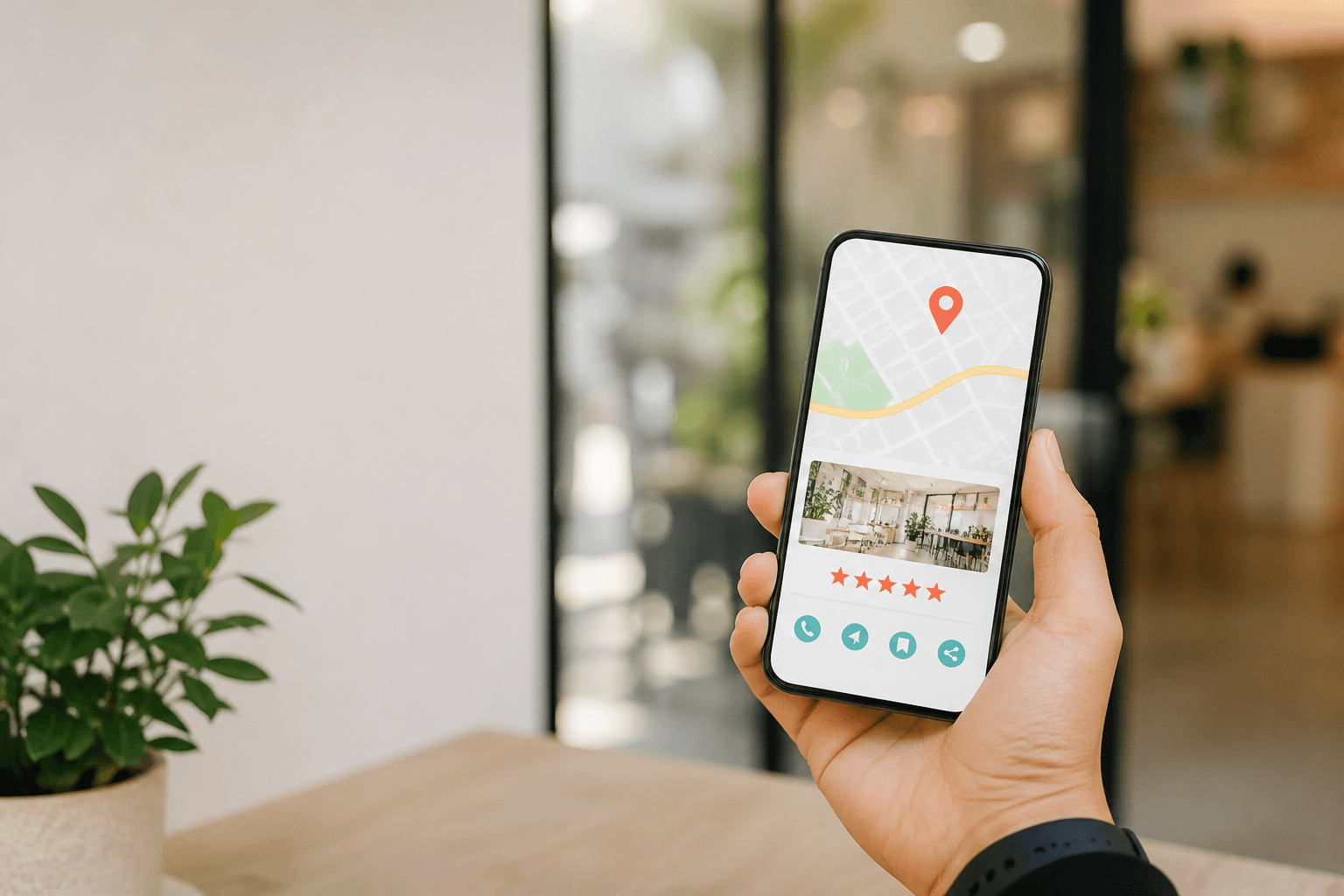
A customer types "Italian restaurant near me" on their phone. Within seconds, they see a map, a few business profiles, stars, and comments. Before even clicking on a website, they've already made their choice. What happened in those decisive seconds?
Behind this instant decision lies a mechanism that many business owners still underestimate: Google Business Profile reviews are not simply a social ornament—they constitute a structural signal for local SEO. In 2026, competition on geo-targeted searches is intensifying, and algorithms combine relevance, proximity, and trust to differentiate between often similar establishments. Drylead specifically supports businesses that want to turn this mechanism into a measurable advantage.
You'll understand how Google reviews concretely influence your ranking and local visibility, then discover a clear method to improve your reviews, structure their collection, and handle sensitive situations without compromising your reputation.
Why do Google reviews impact local SEO?
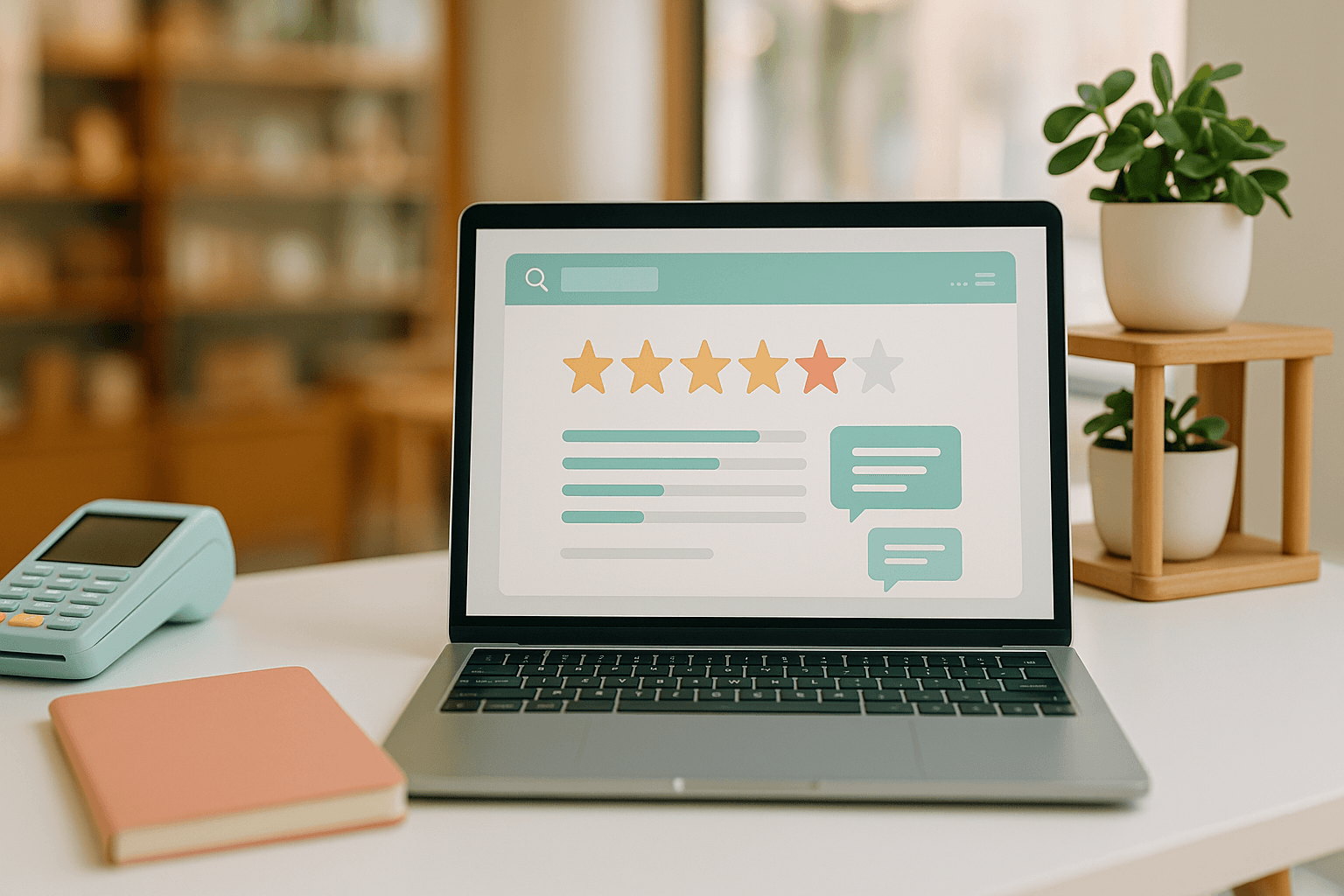
Google reviews act as a trust and freshness signal for your profile. They reinforce the perceived relevance of your business on local searches, which influences your position in the local pack and the volume of clicks to your profile.
When a search engine must choose between two bakeries a few streets apart, it can't taste the bread. Instead, it relies on observable signals: profile consistency, proximity, the words used in reviews, the regularity of contributions, and how the business owner responds. Google Business Profile reviews become raw material that the algorithm reads to assess the trust placed in a location.
Let's take a concrete example. Imagine two hair salons in the same neighborhood, both with properly filled profiles. The first receives regular, detailed reviews that naturally mention services like "balayage" or "men's cut." The second has a few old, generic reviews with no response from the owner. On a search like "balayage haircut near me," the first has better chances of being perceived as relevant and active. It's not magic: it's the combination of freshness, vocabulary, and engagement that makes the difference.
The impact doesn't stop at ranking. Business Google ratings also influence click-through rates. An internet user hesitating between several profiles often favors the one displaying recent reviews and responses from the business owner, as this suggests a company that listens. You get a double effect: more visibility, then more conversions once the profile is viewed. This is precisely where tools like Sparkavis help keep this virtuous cycle active, by centralizing review collection and tracking without scattering your energy.
Finally, remember that local SEO is an ecosystem. Local business customer reviews interact with your website, local citations, and profile completeness. A single review doesn't do everything, but a consistent flow of reviews strengthens your entire local presence.
Key takeaways:
- Reviews feed the relevance, freshness, and trust of your profile in the algorithm's eyes
- The vocabulary used in reviews matters as much as the overall rating
- Responding to reviews reinforces the activity and reliability signal of your business
A Google review is not decoration: it's proof of trust that the algorithm reads and that customers interpret.
How do Google reviews and local visibility influence each other?
The more visible your profile, the more reviews you receive, and the more these reviews strengthen your visibility. This virtuous cycle feeds on the regularity of contributions and the quality of responses from the business owner.
There's a loop that few business owners clearly identify. A well-positioned profile in local results attracts more attention, therefore more customers, who in turn leave reviews. These new reviews refresh the profile and confirm its relevance, which supports its position. Conversely, a stagnant profile with no new reviews gradually loses its apparent dynamism.
Imagine a caterer who delivers in a neighborhood. Their profile ranks correctly on general searches, but they never ask satisfied customers for reviews. Over months, their latest reviews become outdated, and their profile appears less active compared to a competitor with recent activity. Yet the quality of their service hasn't changed. The difference comes down to one organizational detail: they never integrated review requests into their customer journey. This is an angle that Drylead often emphasizes: local visibility is cultivated through simple, repeated gestures, not sporadic campaigns.
Business Google ratings also play a role in perceived reliability. A business that maintains a solid rating while accumulating varied reviews inspires confidence, while a perfect rating based on very few reviews can seem fragile. The goal isn't perfection, but consistency and authenticity. A regular flow of sincere reviews, even with some well-managed criticism, tells a more credible story than a series of uniform praise.
This dynamic explains why improving Google reviews isn't just about asking for stars. It's about creating a reflex in your customer relationship, making review submission simple and natural, and showing that you read what your customers write.
Key takeaways:
- Visibility attracts reviews, which in turn support visibility: maintain the loop
- A regular flow of authentic reviews inspires more confidence than an isolated perfect rating
- Integrate review requests into your customer journey rather than handling them sporadically
Local visibility isn't decreed: it's cultivated review by review, with consistency and sincerity.
How to improve your Google reviews without falling into bad practices?
To improve your Google reviews, solicit customers at the right moment, make submission easy with a direct link, and stay transparent. Avoid fake reviews, abusive incentives, and selective filtering, which undermine trust and expose your profile.
The temptation to accelerate is strong. Some business owners buy reviews, others filter out unhappy customers before they can speak. These shortcuts almost always backfire: platforms detect artificial patterns, and internet users quickly spot overly polished comments. Trust, on the other hand, can't be decreed.
The right approach is to make the gesture easy and natural. A customer who's just had a positive experience is often ready to leave a review, provided you clearly show them how. A QR code at the entrance, a link sent after the service, a simple word at departure: these micro-actions increase the likelihood of contribution without forcing the issue. Sparkavis facilitates this type of journey by centralizing requests and tracking returns, saving you from managing this mechanism in a rush.
You also need to pay attention to form. A detailed review that mentions a dish, service, or specific offering provides more value than a simple "great." Without dictating content, you can invite your customers to share what impressed them. This material nourishes both your local visibility and the confidence of future customers.
Finally, never neglect responses. Responding to every review, positive or negative, shows that your business is active and listening. It's a signal appreciated by algorithms and reassuring for internet users browsing your profile before deciding.
Key takeaways:
- Solicit customers when the experience is still fresh, with a simple process
- Never buy reviews and don't filter feedback: trust is your real capital
- Invite customers to describe what impressed them to enrich your profile's relevance
The best review strategy isn't to manufacture them, but to make submission obvious for genuinely satisfied customers.
How to manage negative reviews without losing local visibility?
Manage a negative review by responding quickly, calmly, and factually. Acknowledge the problem, offer a solution, and invite further discussion in private. A professional response reassures future customers and preserves your profile's trust signal.
A negative review isn't a disaster. It's sometimes even an opportunity to show how you treat customers when things get complicated. Imagine a restaurant owner receiving a comment about a long wait during a busy evening. If they respond with irritation, they amplify the problem. If they respond calmly, acknowledging the inconvenience and explaining what will be adjusted, they transform criticism into proof of professionalism.
Managing Google reviews relies on three reflexes. First, speed: a late response gives the impression of a business that doesn't care about its customers. Next, tone: stay factual, without minimizing or losing your temper, and avoid copy-paste responses that sound false. Finally, the offer: provide a concrete solution or invite the person to contact you directly to understand what happened.
Sometimes a review is unfair or misleading. In that case, report it to the platform by explaining precisely why, without expecting guaranteed removal. But keep in mind that most readers can discern between a review and a thoughtful response. A profile with a few well-managed criticisms often appears more credible than a profile without any rough edges.
The impact on your local SEO remains limited if you respond constructively. What really hurts is accumulating negative reviews without reaction, or a defensive tone that discourages future customers. Review management is therefore as much a customer relations exercise as a visibility one.
Key takeaways:
- Respond quickly and calmly: the response matters as much as the criticism itself
- Transform criticism into a demonstration of professionalism rather than public conflict
- Report misleading reviews without systematically expecting removal
A well-handled negative review is worth more than a silent profile: it proves your business truly listens.
What tool to manage your Google Business Profile reviews in 2026?
A review management tool like Sparkavis centralizes collection, tracking, and responses to Google Business Profile reviews. It helps maintain a regular flow, identify weak signals, and save time without sacrificing authenticity.
Managing reviews by hand quickly becomes time-consuming. Between sending requests, writing responses, and tracking returns, Google review management can easily take a back seat, especially when you're behind the counter. That's where a dedicated tool makes the difference: it doesn't replace your customer relationship, it organizes it.
Sparkavis was designed for this daily business reality. The idea is simple: make review requests at the right moment easier, track the feedback you receive, and help you respond without spending your evenings on it. You keep control over tone and content, but the mechanics become smooth. Result: a more regular flow, a more active profile, and a reinforced trust signal in the eyes of algorithms.
The value of such a tool is also measured over time. A profile that receives reviews continuously stays dynamic, while an abandoned profile loses momentum. By centralizing tracking, you spot a drop in pace or a review deserving special attention more quickly. You move from reactive to proactive management, which changes everything for your local visibility.
Finally, remember that the tool is just a lever. The real value comes from your service and your ability to listen. Sparkavis helps you turn that listening into visible proof, without ever automating what must remain human: the sincere response to a customer.
Key takeaways:
- A dedicated tool frees up time and maintains a regular collection pace
- Centralizing tracking lets you anticipate drops in your profile's activity
- The tool organizes, but your service quality feeds the reviews
A good review tool doesn't speak for you: it helps you never forget to listen.
Frequently asked questions
Do Google reviews really influence ranking in local results?
Yes. Reviews feed the relevance, freshness, and trust of your profile in the algorithm's eyes. Recent, detailed, and regular reviews, accompanied by responses from the business owner, strengthen your position in the local pack and your visibility on geo-targeted searches.
How many reviews do you need to improve local visibility?
There's no universal threshold. What matters is the regularity and authenticity of the flow rather than an isolated number. A profile that receives reviews consistently, with varied feedback and careful responses, inspires more confidence than a profile with a perfect rating but frozen in time.
How do you ask a customer for a Google review without being pushy?
Solicit them when the experience is still fresh, with a simple support like a QR code or direct link. Frame the request as an invitation, not an obligation, and let the customer freely share what impressed them. The naturalness of the gesture makes all the difference.
What do you do about an unfair negative review on Google Business Profile?
Respond calmly and factually, acknowledging the feeling without validating incorrect facts. Offer a solution or invite them to continue the conversation privately. You can also report the review to the platform if you believe it violates its rules, but the public response remains your best asset.
Are Google reviews more important than a website for a local business?
The two complement each other. The Google profile captures attention at the moment of local search, while your website deepens trust and conversion. A consistent flow of reviews strengthens the profile, which directs to your website. It's the combination of signals that solidifies your local SEO.
Can you fully automate managing your Google reviews?
Automation can facilitate requests and tracking, but responding to a review must remain human to be credible. A tool like Sparkavis organizes the mechanics, while the tone and sincerity of your responses preserve customer trust and your profile's authenticity.
Go further
Sparkavis is powered by Drylead, an SEO and web development agency.